

Volume 9, Issue 3 (10-2025)
Evidence Based Health Policy, Management & Economics 2025, 9(3): 164-172 |
Back to browse issues page



Download citation:
BibTeX | RIS | EndNote | Medlars | ProCite | Reference Manager | RefWorks
Send citation to:


BibTeX | RIS | EndNote | Medlars | ProCite | Reference Manager | RefWorks
Send citation to:
Solati Z, Amrollahi biuki N, Golverdi M. Exploring Organizational Deception among Community Nurses in Iran: A Grounded Theory Qualitative Study. Evidence Based Health Policy, Management & Economics 2025; 9 (3) :164-172
URL: http://jebhpme.ssu.ac.ir/article-1-526-en.html
URL: http://jebhpme.ssu.ac.ir/article-1-526-en.html


Department of Public Administration, Faculty of Humanity and Social Sciences, Ardakan University, Ardakan, Iran , amrolahi.n@ardakan.ac.ir
Keywords: Organizational deception, Strauss and Corbin’s grounded theory, Information manipulation theory, Community nurses
Full-Text [PDF 1012 kb]
(237 Downloads)
| Abstract (HTML) (839 Views)
Table 1. Core category and related categories
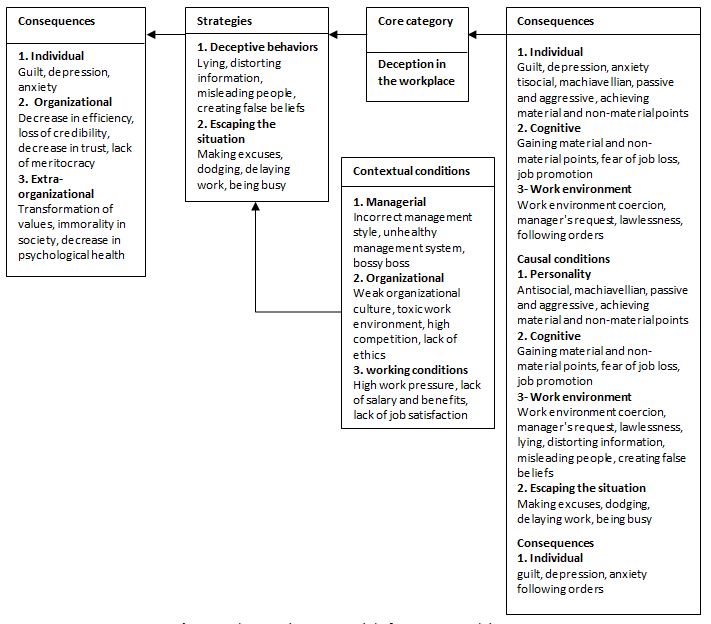
Figure 1. The paradigmatic model of organizational deception
Limitations
This study had several inherent limitations associated with qualitative research. First, the sample size was relatively small; however, data collection continued until theoretical saturation was reached, which is consistent with the principles of grounded theory. Second, the study was conducted in public hospitals in Shiraz, Iran, which means that the findings are context-specific and reflect the experiences and perspectives of nurses in this setting.
Nevertheless, the study benefited from a diverse range of participant characteristics, including age, professional grade, job title, work history, and marital status, which enriched the data and allowed for a more comprehensive understanding of the phenomenon. Therefore, despite the contextual nature of the study, the insights gained provide valuable information for understanding the factors influencing organizational deception among nurses in educational public hospitals.
Conclusion
The results showed that qualitative research primarily based on the grounded idea approach or basis records principle is appropriate for theorizing about the studied phenomenon, especially while the research literature at the challenge does not have the necessary intensity and richness. Consequently, it results in the presentation of a brand new principle that has now not been proposed in the studies groups. The contemporary studies brought about the identification of principal and sub-subject matters affecting organizational deception as a core phenomenon. Hence, it was determined that nursing community needs fundamental reforms and improvements concerning, moral principles, management structure, approaches, routine, and common functions.
Ethical considerations
Participation was voluntary and based on informed consent. Ethical approval was obtained from the ethics committee of Shiraz University of Medical Sciences (ID: IR.SUMS.REC.1402.407).
Acknowledgments
The authors express their sincere gratitude to the respected officials of Shiraz University of Medical Sciences and all the nurses who participated in this study.
Conflict of interests
The authors declared no conflict of interests.
Authors' contributions
Study concept and design: N. A B., and M.GH; analysis and interpretation of data: Z.S., and M.R; drafting of the manuscript: N. A B.; critical revision of the manuscript for important intellectual content: M. GH., Z. S., and M. R.; statistical analysis: Z.S., N. AB.
Funding
Non Applicable
References
Full-Text: (117 Views)
| A B S T R A C T Introduction: Although numerous news reports have surfaced regarding morally distressing situations in the workplace, little research exists on the topic of deception by organizational research professionals. Materials and Methods: Data were collected through semi-structured interviews, and the relevant text was subsequently extracted and condensed using the method proposed by Strauss and Corbin. This study employed a qualitative grounded theory approach to examine how organizational deception manifests among Iran's Community nurses. The research sample consisted of 29 nurses working at public hospitals in Shiraz, Iran. Results: Three categories of components affecting the Organizational Deception in Iran's Community nurses were identified. In the open coding stage, 40 concepts were obtained, which were finally reduced to 11 subcategories. Six contributing factors to workplace deception were identified and classified into one of two groups. Under the grouping of personality components, the identified organizational deception included: 1- antisocial attitudes, 2- Machiavellianism, and 3- passive-aggressive behavior. The remaining deception factors were categorized as cognitive elements: 1- seeking material and non-tangible benefits and 2- coercion in the workplace. The negative consequences of organizational deception were observed at individual (relational and psychological), group (interpersonal and external to the organization), and organizational levels. Moreover, managerial factors (management style) and organizational factors (organizational culture, workplace structure, and working conditions) were found to influence the issue of deception in the workplace. This study revealed the strategies used for deception in the workplace, which can include deception as a means of escape and a manipulative tool for handling information. Conclusion: Deceptive actions by nurses harm not only their colleagues and patients but also the credibility of public sector hospitals, reducing citizens' trust in governments. Policymakers and health sector managers should prioritize ethical practices in their operations and consider preventive measures against deception in the workplace. Given the increased potential for communicable disease outbreaks in the world, the integrity and honesty of nurses worldwide during caregiving situations are critical. Keywords: Organizational deception, Strauss and Corbin’s grounded theory, Information manipulation theory, Community nurses |
Introduction
In the early 1980s, the systematic study of unethical and deviant behavior in organizations became increasingly important (1). Managers have been particularly concerned with the management of deviant workplace behaviors (DWBs) (2), Kilduff et al (3) believe that people are more likely to engage in unethical behaviors, such as cheating, when competing with others. Nowadays, deception in organizations has emerged as a novel area of study that has attracted significant attention (4).
According to the information manipulation theory (5), deception in organizations occurs in various ways, so there are different forms of organizational deception. The theory identifies four types of organizational deception including withholding information, distortion, creating ambiguity, and changing the subject. Early research on deception attributes the behavior to five general reasons. According to it, people cheat to save their own face or image, save or threaten certain social factors regarding others, avoid tension or conflict, have positively affecting relationships, and achieve interpersonal power (6).
A review of previous research shows that deceptive actions in an organization not only harm the organization itself but also negatively impact the external stakeholders, including employers and service recipients (7).
Dyer (8) addressed the issue of a doctor's dishonesty causing the death of a child in 1995. The study highlighted the importance of honesty, particularly in medical centers.
Han and Ahn (9) identified four main aspects related to the moral dilemmas faced by nursing. They include respect for life, nurses' relationship with clients, nurses' professional practice, and nurses' interactions with colleagues. The most common conflicts involved not telling the truth to the clients who could not be treated as well as their families (10). Research has been conducted on the ethical dilemmas encountered by graduate nurses, including issues such as cancer, deception, infant care, euthanasia, assisted suicide, and end-of-life care.
The ways in which people lie, the subjects of their lies, and their ability to detect lies can vary depending on the context and a range of factors. For instance, the emotional nature of falsehoods told about sensitive topics differs from that of the remarks made during a simulated and fake emergency call (11). The personality traits in psychopathy and Machiavellianism are linked not only to the inclination to lie but also to the level of the positive emotions felt while deceiving others. In a study, the individuals who lied about their stance on abortion exhibited more negative feelings compared to those who told the truth, and those who lied about medical emergencies experienced more negative emotions as well (12). Organizational ethics is an emerging area in health care management and delivery, dealing with administrative and managerial ethical issues. It is closely connected to broader ethical concerns within the healthcare sector (13).
Healthcare professionals that treat life-threatening conditions must use ethical theories and principles to enable themselves to analyze, evaluate, and make ethical decisions related to their duties (9).
Materials and Methods
Despite the importance of exploring destructive work behaviors as one of the most influential factors in nursing work environment, research has yet to be conducted to organizational deception. Accordingly, this study adopted the grounded theory methodology to identify the paradigmatic model of organizational deception. The research was designed as a qualitative study, and interview data were collected and analyzed following the grounded theory procedures proposed by Strauss and Corbin. Core category was deception in the workplace, and the authors were able to identify the causal conditions, consequences, contextual conditions and strategies.
Study population
The statistical population of the present study consisted of nurses employed in public hospitals in Shiraz, Iran.
Data collection
Twenty-nine participants were recruited through theoretical sampling method from among the nurses of the public hospitals in Shiraz, Iran. Participants were selected as samples who provided the researcher with the greatest opportunity to collect the most relevant data about the phenomenon under study. In the axial coding phase, relational and diverse sampling was required. The process of interviewing new individuals continued until theoretical saturation was reached; theoretical saturation is the stage at which no new data related to the category emerges. The goal of this sampling is to maximize perceived differences. In axial coding, preliminary assumptions are made about each of the categories and the relationships between them, and new questions are asked to test their relevance, and new comparisons must be made, so individuals should be selected to provide the greatest opportunity to collect data on diversity along the dimensions of the categories and to show what happens when a change is made. The records had been accrued through semi-dependent interviews from October 2022 to June 2023. Eleven members were diagnosed as female and eighteen as male. Individuals ranged in age from 25 to 51 and were between 2 and 24.
Data analysis
Information evaluation is the primary framework of the grounded concept technique. After collecting data, the researcher proceeded with the coding process, which is a fundamental method to identify the categories within a set of data so as to extract and organize the intended meaning from them. The coding process involved recognizing the patterns, features, and characteristics in the data. To establish and describe a theory, the data were coded in three stages including open coding, axial coding and selective coding.
First step: open coding
In this research, the data were first collected through collaborative interviews with the research participants. Each point from the interviews was then explained with a code and compiled into a list of key points. At the end of this coding process, 78 codes were obtained. They were reduced to 40 codes as the duplicate entries were removed. Subsequently, the primary codes (based on frequency) were transformed into secondary codes.
Second step: axial coding
Axial coding helps the researcher comprehend the data better and analyze or interpret them more deeply (14). Based on the data analysis in a previous stage, a central coding pattern is developed to determine the connections among research categories, including causal conditions, core category, background factors, strategies, and the consequences.
Third step: selective coding (optional)
Selective coding is the logic of “drawing a storyline” to summarize all the related conceptual categories in a theoretical model and to clarify the interactions among the main categories, the core codes, and the structure of the model (ibid) (15).
Results
Before the interview, the research’s problem and motive were defined to the interviewees, after which they were requested to answer the questions. Subsequently, the interviews had been achieved, and the associated notes were taken after receiving the interviewees’ permission.
The interviewees have been confident that their reviews, criticisms, and suggestions might simply be used in the present day research. On that basis, the interviews were conducted after the researcher clearly explained the topic and purpose of the research to the interviewees.
Open coding phase
First, data was collected through in-depth interviews with research participants. After conducting the interviews, the extracted codes and concepts were written down according to Table 1. In the process of open coding, 40 concepts were obtained, which were finally reduced to 10 subcategories. The data obtained from the said process are presented in the Table 1.
According to the information manipulation theory (5), deception in organizations occurs in various ways, so there are different forms of organizational deception. The theory identifies four types of organizational deception including withholding information, distortion, creating ambiguity, and changing the subject. Early research on deception attributes the behavior to five general reasons. According to it, people cheat to save their own face or image, save or threaten certain social factors regarding others, avoid tension or conflict, have positively affecting relationships, and achieve interpersonal power (6).
A review of previous research shows that deceptive actions in an organization not only harm the organization itself but also negatively impact the external stakeholders, including employers and service recipients (7).
Dyer (8) addressed the issue of a doctor's dishonesty causing the death of a child in 1995. The study highlighted the importance of honesty, particularly in medical centers.
Han and Ahn (9) identified four main aspects related to the moral dilemmas faced by nursing. They include respect for life, nurses' relationship with clients, nurses' professional practice, and nurses' interactions with colleagues. The most common conflicts involved not telling the truth to the clients who could not be treated as well as their families (10). Research has been conducted on the ethical dilemmas encountered by graduate nurses, including issues such as cancer, deception, infant care, euthanasia, assisted suicide, and end-of-life care.
The ways in which people lie, the subjects of their lies, and their ability to detect lies can vary depending on the context and a range of factors. For instance, the emotional nature of falsehoods told about sensitive topics differs from that of the remarks made during a simulated and fake emergency call (11). The personality traits in psychopathy and Machiavellianism are linked not only to the inclination to lie but also to the level of the positive emotions felt while deceiving others. In a study, the individuals who lied about their stance on abortion exhibited more negative feelings compared to those who told the truth, and those who lied about medical emergencies experienced more negative emotions as well (12). Organizational ethics is an emerging area in health care management and delivery, dealing with administrative and managerial ethical issues. It is closely connected to broader ethical concerns within the healthcare sector (13).
Healthcare professionals that treat life-threatening conditions must use ethical theories and principles to enable themselves to analyze, evaluate, and make ethical decisions related to their duties (9).
Materials and Methods
Despite the importance of exploring destructive work behaviors as one of the most influential factors in nursing work environment, research has yet to be conducted to organizational deception. Accordingly, this study adopted the grounded theory methodology to identify the paradigmatic model of organizational deception. The research was designed as a qualitative study, and interview data were collected and analyzed following the grounded theory procedures proposed by Strauss and Corbin. Core category was deception in the workplace, and the authors were able to identify the causal conditions, consequences, contextual conditions and strategies.
Study population
The statistical population of the present study consisted of nurses employed in public hospitals in Shiraz, Iran.
Data collection
Twenty-nine participants were recruited through theoretical sampling method from among the nurses of the public hospitals in Shiraz, Iran. Participants were selected as samples who provided the researcher with the greatest opportunity to collect the most relevant data about the phenomenon under study. In the axial coding phase, relational and diverse sampling was required. The process of interviewing new individuals continued until theoretical saturation was reached; theoretical saturation is the stage at which no new data related to the category emerges. The goal of this sampling is to maximize perceived differences. In axial coding, preliminary assumptions are made about each of the categories and the relationships between them, and new questions are asked to test their relevance, and new comparisons must be made, so individuals should be selected to provide the greatest opportunity to collect data on diversity along the dimensions of the categories and to show what happens when a change is made. The records had been accrued through semi-dependent interviews from October 2022 to June 2023. Eleven members were diagnosed as female and eighteen as male. Individuals ranged in age from 25 to 51 and were between 2 and 24.
Data analysis
Information evaluation is the primary framework of the grounded concept technique. After collecting data, the researcher proceeded with the coding process, which is a fundamental method to identify the categories within a set of data so as to extract and organize the intended meaning from them. The coding process involved recognizing the patterns, features, and characteristics in the data. To establish and describe a theory, the data were coded in three stages including open coding, axial coding and selective coding.
First step: open coding
In this research, the data were first collected through collaborative interviews with the research participants. Each point from the interviews was then explained with a code and compiled into a list of key points. At the end of this coding process, 78 codes were obtained. They were reduced to 40 codes as the duplicate entries were removed. Subsequently, the primary codes (based on frequency) were transformed into secondary codes.
Second step: axial coding
Axial coding helps the researcher comprehend the data better and analyze or interpret them more deeply (14). Based on the data analysis in a previous stage, a central coding pattern is developed to determine the connections among research categories, including causal conditions, core category, background factors, strategies, and the consequences.
Third step: selective coding (optional)
Selective coding is the logic of “drawing a storyline” to summarize all the related conceptual categories in a theoretical model and to clarify the interactions among the main categories, the core codes, and the structure of the model (ibid) (15).
Results
Before the interview, the research’s problem and motive were defined to the interviewees, after which they were requested to answer the questions. Subsequently, the interviews had been achieved, and the associated notes were taken after receiving the interviewees’ permission.
The interviewees have been confident that their reviews, criticisms, and suggestions might simply be used in the present day research. On that basis, the interviews were conducted after the researcher clearly explained the topic and purpose of the research to the interviewees.
Open coding phase
First, data was collected through in-depth interviews with research participants. After conducting the interviews, the extracted codes and concepts were written down according to Table 1. In the process of open coding, 40 concepts were obtained, which were finally reduced to 10 subcategories. The data obtained from the said process are presented in the Table 1.
Table 1. Core category and related categories
| Main category | Subcategories | concepts (codes) |
| Causal conditions | Personality | Antisocial, machiavellian, passive and aggressive, achieving material and non-material points |
| Cognitive | Gaining material and non-material points, fear of job loss, job promotion | |
| Work environment | Work environment coercion, manager's request, lawlessness, following orders | |
| Contextual conditions | Managerial | Incorrect management style, unhealthy management system, bossy boss |
| Organizational | Weak organizational culture, toxic work environment, high competition, lack of ethics | |
| Working conditions | High work pressure, lack of salary and benefits, lack of job satisfaction | |
| Strategies | Deceptive behaviors | Lying, distorting information, misleading people, creating false beliefs |
| Escaping the situation | Making excuses, dodging, delaying work, being busy | |
| Consequences | Individual | Guilt, depression, anxiety |
| Organizational | Decrease in efficiency, loss of credibility, decrease in trust, lack of meritocracy | |
| Extra-organizational | Transformation of values, immorality in society, decrease in psychological health |
Axial coding stage
Based on the analysis of the data of the previous stage, a central coding pattern was developed, based on which, the communication line between the research categories including causal conditions, core category, background factors, strategies and consequences was determined.
Selective coding step
Selective coding represents the highest level of coding within the grounded theory approach. In this study, based on preliminary research, feedback from interviewees, and the evaluation of records gathered through the grounded theory approach, the proposed model (Figure 1) was refined through the evaluation of the key concepts.
Validity and reliability method
To ensure the trustworthiness and rigor of the present qualitative study, the criteria proposed by Lincoln and Guba (16)—namely credibility, transferability, dependability, and confirmability—were applied. Credibility refers to the extent to which the research findings represent participants’ authentic experiences and perceptions of the studied phenomenon within its specific context. In this study, credibility was enhanced by selecting participants with rich and relevant organizational experience and sufficient familiarity with the phenomenon under investigation. This ensured that the findings accurately reflected participants’ meanings and perspectives. Transferability, which serves as an alternative to external validity in quantitative research, concerns the extent to which the findings can be applied to other contexts or settings. To enhance transferability, the research findings were presented in a comprehensive and detailed manner and were systematically compared with existing literature, enabling readers to assess the applicability of the results to similar contexts. Dependability indicates the stability and consistency of the research findings over time and across researchers. To strengthen dependability, several strategies were employed (17), including: Member checking, whereby participants reviewed preliminary findings, analytic processes, and derived categories and provided feedback on their accuracy; Peer debriefing, in which a group of graduate students in Organizational Behavior Management examined the findings and offered critical comments; Participatory analysis, in which participants contributed to the interpretation and validation of the data. Confirmability refers to the degree to which the findings are shaped by the participants rather than researcher bias, motivation, or interest. In qualitative research, this criterion emphasizes analytical rigor, transparency, and the grounding of interpretations in the data. In the present study, confirmability was enhanced by providing full documentation of findings and ensuring consistency between empirical data and analytical interpretations (18).
Based on the analysis of the data of the previous stage, a central coding pattern was developed, based on which, the communication line between the research categories including causal conditions, core category, background factors, strategies and consequences was determined.
Selective coding step
Selective coding represents the highest level of coding within the grounded theory approach. In this study, based on preliminary research, feedback from interviewees, and the evaluation of records gathered through the grounded theory approach, the proposed model (Figure 1) was refined through the evaluation of the key concepts.
Validity and reliability method
To ensure the trustworthiness and rigor of the present qualitative study, the criteria proposed by Lincoln and Guba (16)—namely credibility, transferability, dependability, and confirmability—were applied. Credibility refers to the extent to which the research findings represent participants’ authentic experiences and perceptions of the studied phenomenon within its specific context. In this study, credibility was enhanced by selecting participants with rich and relevant organizational experience and sufficient familiarity with the phenomenon under investigation. This ensured that the findings accurately reflected participants’ meanings and perspectives. Transferability, which serves as an alternative to external validity in quantitative research, concerns the extent to which the findings can be applied to other contexts or settings. To enhance transferability, the research findings were presented in a comprehensive and detailed manner and were systematically compared with existing literature, enabling readers to assess the applicability of the results to similar contexts. Dependability indicates the stability and consistency of the research findings over time and across researchers. To strengthen dependability, several strategies were employed (17), including: Member checking, whereby participants reviewed preliminary findings, analytic processes, and derived categories and provided feedback on their accuracy; Peer debriefing, in which a group of graduate students in Organizational Behavior Management examined the findings and offered critical comments; Participatory analysis, in which participants contributed to the interpretation and validation of the data. Confirmability refers to the degree to which the findings are shaped by the participants rather than researcher bias, motivation, or interest. In qualitative research, this criterion emphasizes analytical rigor, transparency, and the grounding of interpretations in the data. In the present study, confirmability was enhanced by providing full documentation of findings and ensuring consistency between empirical data and analytical interpretations (18).
Figure 1. The paradigmatic model of organizational deception
Discussion
Organizational ethics is an emerging area in health care management and delivery, dealing with administrative and managerial ethical issues. It is closely connected to broader ethical concerns within the healthcare sector (19). One of the most important problems of most organizations is deviant behavior in the workplace. Despite the studies that have been done, there is still a gap in studies.
The aim of this study was to comprehend the phenomenon of organizational deception among the nurses in the public hospitals of Shiraz, Iran. The study was conducted with a qualitative method based on the grounded theory. In hospital settings, the health of patients is of paramount importance. This is the case especially in Iranian public hospitals, which serve as training and research grounds for nursing and medical students. It is, indeed, crucial for healthcare managers to put ethical principles to practice and proactively take measures to prevent deceit in their workplace.
In a workplace, individuals are affected by the outcome and interaction of causal conditions or directly by some of them. Deception in this case refers to engaging in verbal and non-verbal deceptive behaviors, intentionally misleading people from reality and creating a false belief in others. As a deceptive act, deception is done with an intention to mislead. When someone deliberately deceives others, he or she sends messages to mislead them, making them believe something wrong. Deception occurs when the cheater hides the truth, acts dishonestly, or provides false information.
The findings from Markowitz et al. (20) highlight a fascinating connection between certain personality traits, like psychopathy and Machiavellianism, and the emotional experiences tied to lying. It suggests that individuals with these traits not only lie more frequently but also derive positive feelings from the act, which adds a complex layer to our understanding of deception. Recently, psychological studies have provided important insights into employee motivations for organizational deception, insights that go beyond personal benefits (21).
Professors’ fairness reduces students’ academic deception and promotes self-worth (22).Victims of social deception face social, economic, familial, ethical, and emotional challenges, using self-management, avoidance, and proactive coping strategies (23). Moreover, media deception alters family lifestyles, creates false awareness, and can threaten ethical norms (24).
Some studies offer a different perspective by framing lying within the context of identity threats. By utilizing social identity theory, they emphasize that lies can emerge as a response to perceived threats to various identities—whether personal, relational, or collective. This approach highlights how lying serves as a defensive mechanism, allowing individuals to safeguard their valued identities in the workplace. Together, these insights suggest that lying can be driven by both intrinsic emotional rewards and external identity preservation needs. Understanding these dual motivations can enhance our comprehension of deceptive behavior in professional settings.
Based on the viewpoints of the research participants, the three subcategories of contextual conditions namely managerial (incorrect management style, unhealthy management system, bossy boss) and organizational (weak organizational culture, toxic work environment, high competition, lack of ethics) and working conditions (high work pressure, lack of salary and benefits, lack of job satisfaction) were identified to understand the theory of organizational deception among nurses.
In the present study, it was found that people use specific strategies for deception in the workplace. These deception strategies can be grouped into two categories: deceptive behaviors (lying, distorting information, misleading others, and creating false beliefs) and escaping the situation (making excuses, dodging, delaying work, and pretending to be busy).
According to the research data and the identified strategies, organizational deception has consequences at individual level (guilt, depression, anxiety), organizational level (decrease in efficiency, loss of credibility, decrease in trust, lack of meritocracy) and extra-organizational level (transformation of values, immorality in society, decrease in psychological health).
In the present study, two broad categories of workplace deception strategies were identified: deceptive behaviors (lying, distorting information, misleading others, and creating false beliefs) and situational avoidance (making excuses, dodging responsibility, delaying work, and appearing busy). These strategies were linked to multiple levels of consequences, including individual psychological effects (e.g., guilt, anxiety, depression), organizational impacts (e.g., decreased efficiency, reduced trust and credibility, eroded meritocracy), and extra‑organizational outcomes (e.g., shifts in social values and deteriorated psychological health). Consistent with prior research, deception in the workplace negatively affects interpersonal relationships and organizational functioning. For example, workplace cheating behavior has been shown to increase coworker ostracism through perceptions of dislike, especially when ethical leadership is weak (25). Moreover, employees’ deception not only undermines trust but also shapes observers’ attitudes and intentions toward the organization, influencing organizational reputation (26). Earlier theoretical work also underscores how intrapersonal and role conflicts can lead individuals to employ deceptive strategies to resolve organizational demands (27). By situating our findings within this broader literature, the study contributes to a more comprehensive understanding of how deception strategies operate across different levels in organizational contexts and highlights the importance of ethical practices and leadership in mitigating deceptive behavior
To this end, organizations should avoid hiring individuals with antisocial, machiavellian, and passive-aggressive personalities by using personality tests during the recruitment process. Additionally, cognitive causal conditions such as the pursuit of material and non-material gains and coercion in the work environment should be taken into account. Some employees may seek a higher status or gain, and the organization should be cautious of such individuals. Regarding coercion in the work environment, organizational design should discourage managers and supervisors from pressuring employees to lie for their own benefit. Unhealthy management styles and weak managerial authority facilitate fraudulent behavior, which should be acknowledged and rectified by the organization. The work environment significantly influences individuals, so it should be conducive to safety and devoid of destructive competition and jealousy. Furthermore, clear rules and regulations in the organization and reasonable working conditions are essential to prevent individuals from resorting to cheating as a means of escaping challenging circumstances.
In confirmation of the findings of this research, the study of Fleming and Ziglidopoulos (28) shows that the gradual escalation of dishonesty leads to an increase in the ease, intensity and pervasiveness of deception until the organization cannot function without lies. Palmer (29) argues that we should see "organizations as systems of local social interactions" in which organizational participants, by nature or necessity, pay attention to the attitudes and behaviors of people in their immediate environment. Therefore, lying at work is the result of negotiation processes and is collectively constructed through interactions with organizational actors. The connection of social relations is also evident through the study of social and collective identities in how deception has become an accepted feature of occupational and professional cultures (30). In such cases, peer relationships can play an important role in embedding lying behavior in organizations that can be congruent with or at odds with broader organizational norms.
Similar to the findings of this research, Jenkins and Delbridge (31) pointed out in their research that investigating lies requires evaluating a large number of motivations and reasons for deception in different environments and prioritizing the interactions between actors in their relationship contexts.
Organizational ethics is an emerging area in health care management and delivery, dealing with administrative and managerial ethical issues. It is closely connected to broader ethical concerns within the healthcare sector (19). One of the most important problems of most organizations is deviant behavior in the workplace. Despite the studies that have been done, there is still a gap in studies.
The aim of this study was to comprehend the phenomenon of organizational deception among the nurses in the public hospitals of Shiraz, Iran. The study was conducted with a qualitative method based on the grounded theory. In hospital settings, the health of patients is of paramount importance. This is the case especially in Iranian public hospitals, which serve as training and research grounds for nursing and medical students. It is, indeed, crucial for healthcare managers to put ethical principles to practice and proactively take measures to prevent deceit in their workplace.
In a workplace, individuals are affected by the outcome and interaction of causal conditions or directly by some of them. Deception in this case refers to engaging in verbal and non-verbal deceptive behaviors, intentionally misleading people from reality and creating a false belief in others. As a deceptive act, deception is done with an intention to mislead. When someone deliberately deceives others, he or she sends messages to mislead them, making them believe something wrong. Deception occurs when the cheater hides the truth, acts dishonestly, or provides false information.
The findings from Markowitz et al. (20) highlight a fascinating connection between certain personality traits, like psychopathy and Machiavellianism, and the emotional experiences tied to lying. It suggests that individuals with these traits not only lie more frequently but also derive positive feelings from the act, which adds a complex layer to our understanding of deception. Recently, psychological studies have provided important insights into employee motivations for organizational deception, insights that go beyond personal benefits (21).
Professors’ fairness reduces students’ academic deception and promotes self-worth (22).Victims of social deception face social, economic, familial, ethical, and emotional challenges, using self-management, avoidance, and proactive coping strategies (23). Moreover, media deception alters family lifestyles, creates false awareness, and can threaten ethical norms (24).
Some studies offer a different perspective by framing lying within the context of identity threats. By utilizing social identity theory, they emphasize that lies can emerge as a response to perceived threats to various identities—whether personal, relational, or collective. This approach highlights how lying serves as a defensive mechanism, allowing individuals to safeguard their valued identities in the workplace. Together, these insights suggest that lying can be driven by both intrinsic emotional rewards and external identity preservation needs. Understanding these dual motivations can enhance our comprehension of deceptive behavior in professional settings.
Based on the viewpoints of the research participants, the three subcategories of contextual conditions namely managerial (incorrect management style, unhealthy management system, bossy boss) and organizational (weak organizational culture, toxic work environment, high competition, lack of ethics) and working conditions (high work pressure, lack of salary and benefits, lack of job satisfaction) were identified to understand the theory of organizational deception among nurses.
In the present study, it was found that people use specific strategies for deception in the workplace. These deception strategies can be grouped into two categories: deceptive behaviors (lying, distorting information, misleading others, and creating false beliefs) and escaping the situation (making excuses, dodging, delaying work, and pretending to be busy).
According to the research data and the identified strategies, organizational deception has consequences at individual level (guilt, depression, anxiety), organizational level (decrease in efficiency, loss of credibility, decrease in trust, lack of meritocracy) and extra-organizational level (transformation of values, immorality in society, decrease in psychological health).
In the present study, two broad categories of workplace deception strategies were identified: deceptive behaviors (lying, distorting information, misleading others, and creating false beliefs) and situational avoidance (making excuses, dodging responsibility, delaying work, and appearing busy). These strategies were linked to multiple levels of consequences, including individual psychological effects (e.g., guilt, anxiety, depression), organizational impacts (e.g., decreased efficiency, reduced trust and credibility, eroded meritocracy), and extra‑organizational outcomes (e.g., shifts in social values and deteriorated psychological health). Consistent with prior research, deception in the workplace negatively affects interpersonal relationships and organizational functioning. For example, workplace cheating behavior has been shown to increase coworker ostracism through perceptions of dislike, especially when ethical leadership is weak (25). Moreover, employees’ deception not only undermines trust but also shapes observers’ attitudes and intentions toward the organization, influencing organizational reputation (26). Earlier theoretical work also underscores how intrapersonal and role conflicts can lead individuals to employ deceptive strategies to resolve organizational demands (27). By situating our findings within this broader literature, the study contributes to a more comprehensive understanding of how deception strategies operate across different levels in organizational contexts and highlights the importance of ethical practices and leadership in mitigating deceptive behavior
To this end, organizations should avoid hiring individuals with antisocial, machiavellian, and passive-aggressive personalities by using personality tests during the recruitment process. Additionally, cognitive causal conditions such as the pursuit of material and non-material gains and coercion in the work environment should be taken into account. Some employees may seek a higher status or gain, and the organization should be cautious of such individuals. Regarding coercion in the work environment, organizational design should discourage managers and supervisors from pressuring employees to lie for their own benefit. Unhealthy management styles and weak managerial authority facilitate fraudulent behavior, which should be acknowledged and rectified by the organization. The work environment significantly influences individuals, so it should be conducive to safety and devoid of destructive competition and jealousy. Furthermore, clear rules and regulations in the organization and reasonable working conditions are essential to prevent individuals from resorting to cheating as a means of escaping challenging circumstances.
In confirmation of the findings of this research, the study of Fleming and Ziglidopoulos (28) shows that the gradual escalation of dishonesty leads to an increase in the ease, intensity and pervasiveness of deception until the organization cannot function without lies. Palmer (29) argues that we should see "organizations as systems of local social interactions" in which organizational participants, by nature or necessity, pay attention to the attitudes and behaviors of people in their immediate environment. Therefore, lying at work is the result of negotiation processes and is collectively constructed through interactions with organizational actors. The connection of social relations is also evident through the study of social and collective identities in how deception has become an accepted feature of occupational and professional cultures (30). In such cases, peer relationships can play an important role in embedding lying behavior in organizations that can be congruent with or at odds with broader organizational norms.
Similar to the findings of this research, Jenkins and Delbridge (31) pointed out in their research that investigating lies requires evaluating a large number of motivations and reasons for deception in different environments and prioritizing the interactions between actors in their relationship contexts.
Limitations
This study had several inherent limitations associated with qualitative research. First, the sample size was relatively small; however, data collection continued until theoretical saturation was reached, which is consistent with the principles of grounded theory. Second, the study was conducted in public hospitals in Shiraz, Iran, which means that the findings are context-specific and reflect the experiences and perspectives of nurses in this setting.
Nevertheless, the study benefited from a diverse range of participant characteristics, including age, professional grade, job title, work history, and marital status, which enriched the data and allowed for a more comprehensive understanding of the phenomenon. Therefore, despite the contextual nature of the study, the insights gained provide valuable information for understanding the factors influencing organizational deception among nurses in educational public hospitals.
Conclusion
The results showed that qualitative research primarily based on the grounded idea approach or basis records principle is appropriate for theorizing about the studied phenomenon, especially while the research literature at the challenge does not have the necessary intensity and richness. Consequently, it results in the presentation of a brand new principle that has now not been proposed in the studies groups. The contemporary studies brought about the identification of principal and sub-subject matters affecting organizational deception as a core phenomenon. Hence, it was determined that nursing community needs fundamental reforms and improvements concerning, moral principles, management structure, approaches, routine, and common functions.
Ethical considerations
Participation was voluntary and based on informed consent. Ethical approval was obtained from the ethics committee of Shiraz University of Medical Sciences (ID: IR.SUMS.REC.1402.407).
Acknowledgments
The authors express their sincere gratitude to the respected officials of Shiraz University of Medical Sciences and all the nurses who participated in this study.
Conflict of interests
The authors declared no conflict of interests.
Authors' contributions
Study concept and design: N. A B., and M.GH; analysis and interpretation of data: Z.S., and M.R; drafting of the manuscript: N. A B.; critical revision of the manuscript for important intellectual content: M. GH., Z. S., and M. R.; statistical analysis: Z.S., N. AB.
Funding
Non Applicable
References
- Karsh B, Booske BC, Sainfort F. Job and organizational determinants of nursing home employee commitment, job satisfaction and intent to turnover. Ergonomics. 2005 Aug 15;48(10):1260-81. https://doi.org/ 10.1080/ 00140130500197195
- Bennett RJ. The past, present, and future of workplace deviance research. Organizational behavior: The state of the science. 2nd ed. Lawrence Erlbaum Associates, Inc; 2003. p. 34.
- Kilduff G, Galinsky AD, Gallo E, Reade J. Whatever it takes: Rivalry and unethical behavior. InIntl. Association for Conflict Management, IACM. 25th Annual Conference; 2012.
- Mirivel JC, Tracy K. Premeeting talk: An organizationally crucial form of talk. Research on Language and Social Interaction. 2005;38(1):1-34. https://doi.org/10.1207/s15327973rlsi3801_1
- McCornack SA. Information manipulation theory. Communications Monographs. 1992;59(1):1-6. https://doi.org/10.1080/03637759209376245
- Karsh B, Booske BC, Sainfort F. Job and organizational determinants of nursing home employee commitment, job satisfaction and intent to turnover. Ergonomics. 2005; 48(10):1260-81. https://doi.org/10.1080/ 00140130500197195
- Dyer C. Doctor is struck off for dishonesty over child’s death in 1995; 2022. https://doi.org/ 10.1136/ bmj.o1558
- Han SS, Ahn SH. An analysis and evaluation of student nurses’ participation in ethical decision making. Nursing Ethics. 2000;7(2):113-23. DOI: 10.1177/096973300000700204
- Doane G, Pauly B, Brown H, McPherson G. Exploring the heart ofethical nursing practice: Implications for ethics education. Nursing Ethics. 2004;11(3): 240-53. DOI: 10.1191/0969733004ne692oa
- Burns MB, Moffitt KC. Automated deception detection of 911 call transcripts. Security Informatics. 2014;3(1):1-9.
- Markowitz DM, Hancock JT, Woodworth MT, Ely M. Contextual considerations for deception production and detection in forensic interviews. Frontiers in Psychology. 2023;14:1134052.DOI: 10.3389/fpsyg.2023.1134052
- Suhonen R, Stolt M, Virtanen H, Leino-Kilpi H. Organizational ethics: A literature review. Nursing Ethics. 2011;18(3):285-303. DOI: 10.1177/ 0969733011401123
- Chen B, Zhu H, Fu H, Han Q, Chen L. A qualitative study on the willingness and influencing factors of master of geriatric nursing specialist postgraduates to volunteer for home respite care for disabled elderly families. BMC Nursing. 2024; 23(1):1-5.DOI: 10.1186/s12912-024-01710-9.
- Chen B, Zhu H, Fu H, Han Q, Chen L. A qualitative study on the willingness and influencing factors of master of geriatric nursing specialist postgraduates to volunteer for home respite care for disabled elderly families. BMC Nursing. 2024;23(1):1-5.DOI: 10.1186/s12912-024-01710-9.
- Adib Hajbagheri M. [Grounded theory research methodology: Theorizing method in humanities and health sciences]. Tehran, Iran: Boshra Publisher; 2021. [In Persian]
- Lincoln YS, Guba EG. Naturalistic inquiry. Beverly Hills (CA): Sage Publications; 1985.
- Creswell JW, Miller DL. Determining validity in qualitative inquiry. Theory into Practice. 2000; 39(3):124‑130. doi:10.1207/ s15430421tip3903_2.
- Abbaszadeh M. A reflection on validity and reliability in qualitative research. Applied Sociology Journal of Humanities Research, University of Isfahan. 2012;23(1):19–34.
- Suhonen R, Stolt M, Virtanen H, Leino-Kilpi H. Organizational ethics: A literature review. Nursing Ethics. 2011;18(3):285-303. DOI: 10.1177/ 0969733011401123
- Markowitz DM, Hancock JT, Woodworth MT, Ely M. Contextual considerations for deception production and detection in forensic interviews. Frontiers in Psychology. 2023;14: 1134052. https://doi.org/ 10.3389/fpsyg. 2023. 1134052
- Leavitt K, Sluss DM. Lying for who we are: An identity-based model of workplace dishonesty. Academy of Management Review. 2015;40(4): 587-610. https://doi.org/10.5465/ amr. 2013.0167
- Malekpour Lapari K. Investigating the educational justice of professors and students’ scientific cheating and civic‑educational behaviors (Case Study: Kharazmi University Students). J Educ Sci Marit. 2021;8(1):95–110. doi:10.22034/RMT.2021.241834.
- Mohbi SF. A qualitative study of victims’ narratives on post‑deception challenges and coping strategies. Ensani Iran J Soc Sci [Internet]. 2021 [cited 2025 Dec 22]. Available from: https://civilica.com/ doc/1250003.
- Taghipour F. A qualitative study of media deception methods and their effects on family. J Appl Ethics Stud [Internet]. 2018;14(31). Available from: https://civilica.com/doc/856894.
- Ye Y, Wu L‑Z, Kwan HK, Liu X. From deception to rejection: Unraveling the impact of workplace cheating behavior on coworker ostracism. J Bus Ethics. 2025;200(1):157–73. oi:10.1007/s10551-024-05881-y.
- Jehn KA, Scott ED. Perceptions of deception: Making sense of responses to employee deceit. J Bus Ethics. 2008;80:327–47.doi:10.1007/s10551-007-9423-3
- Grover SL. Lying, deceit, and subterfuge: A model of dishonesty in the workplace. Organ Sci. 1993;4(3):478–95. doi:10.1287/orsc.4.3.478
- Fleming P, Zyglidopoulos SC. The escalation of deception in organizations. Journal of Business Ethics. 2008;81:837-50. https://doi.org/10.1007/ s10551-007-9551-9
- Palmer D. Normal organizational wrongdoing: A critical analysis of theories of misconduct in and by organizations. Oxford University Press, USA; 2012.
- Schein EH. Learning when and how to lie: A neglected aspect of organizational and occupational socialization (Introduction by Hugh Gunz and Paul Willman). Human Relations. 2004;57(3):259-73.
- Jenkins S, Delbridge R. Exploring organizational deception: Organizational contexts, social relations and types of lying. Organization Theory. 2020;1(2):2631787720919436.
Type of Study: Original article |
Subject:
General
Received: 2025/11/12 | Revised: 2026/09/3 | Accepted: 2026/04/17
Received: 2025/11/12 | Revised: 2026/09/3 | Accepted: 2026/04/17
Send email to the article author
| Rights and permissions | |
 |
This work is licensed under a Creative Commons Attribution 4.0 International License (CC BY 4.0). |
